
Car Radiators: The Ultimate Guide You Should Know
Car radiators, often overlooked but crucial components of a vehicle's cooling system, play a pivotal role in maintaining optimal engine temperature. In this comprehensive guide, we'll delve into the intricacies of car radiators, exploring their evolution, components, common issues, maintenance tips, and much more.
Introduction
Car radiators are the unsung heroes of your vehicle's engine, ensuring it doesn't overheat during operation. Imagine a heart without proper circulation – that's what a car without a functioning radiator would be like. In this guide, we'll unravel the mysteries surrounding car radiators and equip you with the knowledge to keep your vehicle running smoothly.

Evolution of Car Radiators
Historical Overview
The journey of car radiators dates back to the early 20th century, with the first mass-produced automobiles adopting rudimentary cooling systems. Over time, technological innovations have transformed these systems into sophisticated components, enhancing efficiency and durability.
Technological Advancements
Modern car radiators leverage cutting-edge technology, incorporating materials like aluminum and advanced cooling fins to dissipate heat effectively. Understanding this evolution is crucial for appreciating the importance of contemporary radiator systems.
Components of a Car Radiator
A car radiator consists of several key components working in tandem to regulate the engine temperature. The core, fans, and coolant are integral to this process.
Core
The radiator core, typically made of aluminum, facilitates heat exchange. As coolant passes through the core, it absorbs engine heat, and the radiator fan expels this heat into the surrounding air.
Fans
Electric fans mounted on the radiator assist in heat dissipation. They activate when the engine reaches a certain temperature, preventing overheating.
Coolant
Coolant, a mixture of water and antifreeze, circulates through the engine and radiator, absorbing and dissipating heat. Maintaining the right coolant level is vital for efficient radiator operation.
Common Issues and Troubleshooting
Despite their importance, radiators can encounter issues. Overheating, leaks, and general wear are common problems that necessitate prompt attention.
Overheating Problems
Overheating can result from a malfunctioning thermostat or low coolant levels. Regularly checking coolant levels and addressing thermostat issues can prevent this issue.
Leaks and How to Identify Them
Identifying radiator leaks early is crucial. Look for coolant puddles under the car, inspect hose connections, and check for rust or corrosion on the radiator itself.
Cooling System Maintenance Tips
Regular radiator maintenance, including flushing the system and inspecting hoses, can prevent major issues. Consistent attention to the cooling system enhances overall engine performance.
Choosing the Right Radiator for Your Car
When it comes to choosing a radiator, one size doesn't fit all. Understanding the types of radiators available and their compatibility with different car models is essential.
Types of Radiators
There are various radiator types, including down-flow and cross-flow radiators. Knowing your vehicle's requirements ensures optimal performance.
Compatibility with Different Car Models
Different cars have different cooling needs. Ensure the radiator you choose is compatible with your vehicle's make and model for efficient cooling.
DIY Radiator Maintenance
Regular maintenance doesn't always require a trip to the mechanic. Simple tasks like flushing the radiator, checking coolant levels, and cleaning radiator fins can be done at home.
Flushing the Radiator
Flushing the radiator removes accumulated debris and sediment, preventing clogs and maintaining efficient heat exchange.
Checking Coolant Levels
Monitoring coolant levels is a basic yet crucial aspect of radiator maintenance. Low coolant levels can lead to overheating and engine damage.
Cleaning Radiator Fins
Dust and debris can accumulate on the radiator fins, hindering heat dissipation. Regularly cleaning these fins ensures optimal radiator performance.
Signs Your Radiator Needs Attention
Recognizing when your radiator requires attention can save you from costly repairs. Keep an eye out for warning lights, unusual sounds, and changes in engine performance.
Warning Lights
Modern vehicles are equipped with warning systems. If the temperature warning light illuminates, it's time to check your radiator.
Unusual Sounds
Gurgling or hissing sounds from the radiator area may indicate air pockets or leaks. Prompt investigation can prevent further damage.
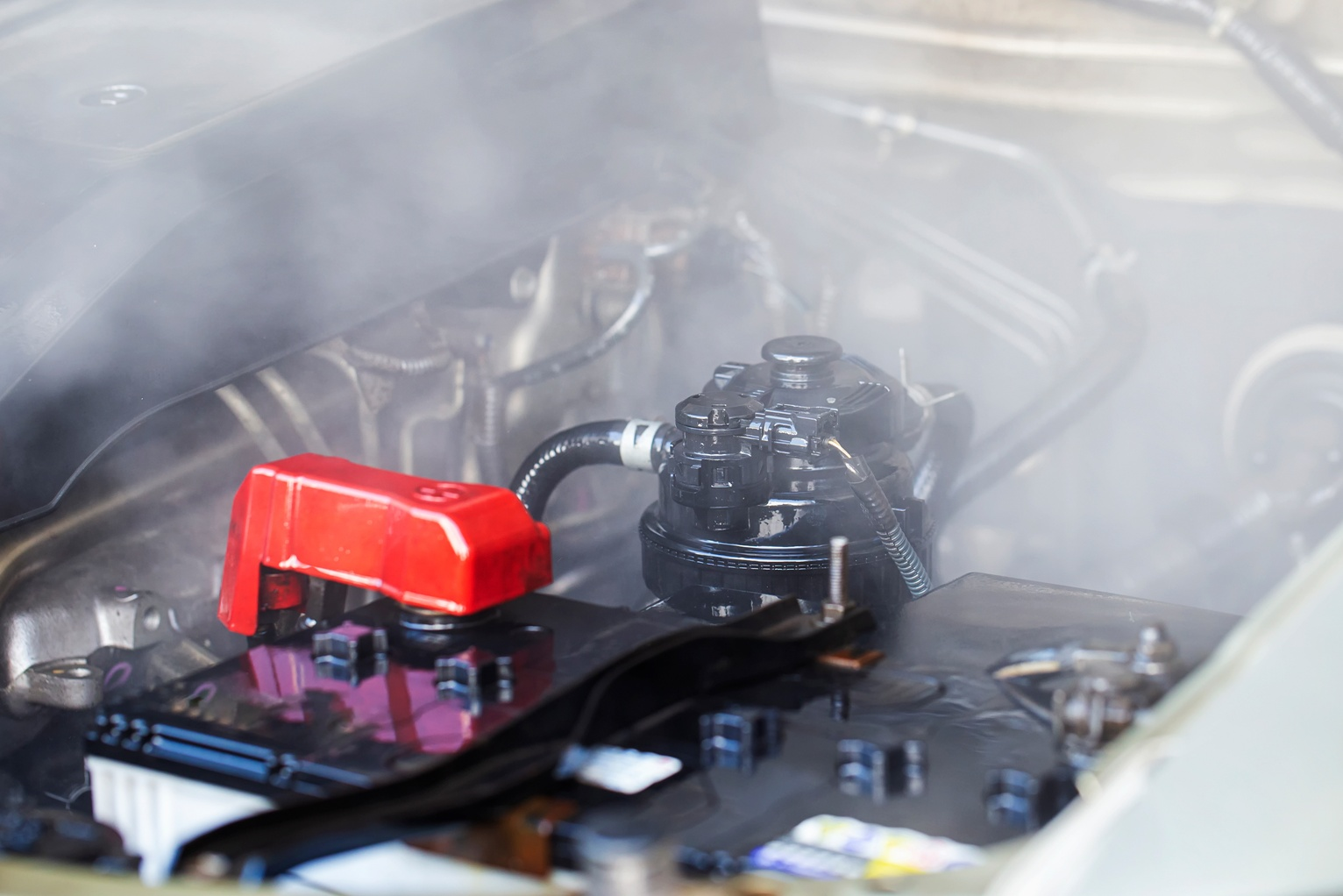
Changes in Engine Performance
A poorly functioning radiator can affect overall engine performance. If you notice a decrease in power or efficiency, it's time for a radiator check.
Importance of Regular Check-ups
Preventive measures go a long way in ensuring your radiator's longevity. Regular check-ups and proactive maintenance offer several benefits.
Preventive Measures
Routine checks, especially before long drives, can identify potential issues early, preventing breakdowns and costly repairs.
Benefits of Proactive Radiator Maintenance
Proactive maintenance not only prevents unexpected breakdowns but also enhances fuel efficiency and prolongs the life of your vehicle's engine.
Upgrading Your Car’s Cooling System
For enthusiasts looking to boost performance, aftermarket radiator options offer enhanced cooling capabilities.
Aftermarket Radiator Options
Upgrading to a high-performance radiator can improve heat dissipation, especially in high-stress driving conditions.
Performance Benefits
Enhanced cooling translates to better engine performance and durability, making aftermarket radiators a popular choice for car enthusiasts.
Environmental Impact of Radiators
As concerns about the environment grow, considering the ecological impact of car radiators becomes essential.
Recycling Old Radiators
Proper disposal and recycling of old radiators contribute to environmental sustainability. Many radiator components can be recycled, reducing overall waste.
Sustainable Radiator Options
Exploring eco-friendly radiator options, such as those made from recycled materials, can align with your commitment to environmental responsibility.
Tips for Extreme Weather Conditions
Extreme weather conditions can pose challenges for your car's cooling system. Here are some tips to navigate winter and summer with ease.

Winter Radiator Care
Using the right coolant mix and ensuring proper insulation can protect your radiator from freezing temperatures during winter.
Summer Cooling Strategies
In hot weather, maintaining optimal coolant levels and parking in shaded areas can prevent overheating. Adequate ventilation is also crucial.
FAQs
1.How often should I flush my radiator?
Regular flushing is recommended every 30,000 miles or as advised in your vehicle manual.
2.Can I use water instead of coolant in my radiator?
While water can be used in emergencies, coolant offers better temperature regulation and corrosion protection.
3.Are all radiators compatible with any car model?
No, radiators vary in size and design. It's essential to choose one compatible with your specific vehicle.
4.What are the signs of a failing radiator?
Signs include overheating, coolant leaks, and unusual noises from the radiator area.
5.Is it worth upgrading to a high-performance radiator?
For enthusiasts or those who engage in high-stress driving, upgrading to a high-performance radiator can offer benefits in terms of heat dissipation and engine performance.
Conclusion
In conclusion, understanding the intricacies of your car's radiator is essential for maintaining optimal engine performance. Regular check-ups, proactive maintenance, and awareness of potential issues are key to ensuring your vehicle's longevity. By following the tips and advice in this guide, you can navigate the world of car radiators with confidence.
HD-Contact
Name*
Country*
Email*
Tel/ Whatsapp*
For Retail/ Business (Click to Choose)
- Retail
- Business
Message*
Verification code


