
All You Should Know About Car Radiators: A Basic Guide
A car radiator is a critical component of your vehicle’s cooling system. Without it, the engine would overheat quickly, leading to severe damage and breakdowns. In this basic guide, we’ll walk you through everything you need to know about car radiators: how they work, their components, why they are essential, and how to maintain them properly.
What is a Car Radiator?
A car radiator is a heat exchanger that helps keep the engine cool by transferring heat from the engine coolant into the surrounding air. It works by circulating coolant through a series of tubes and fins to absorb the heat produced by the engine and release it into the atmosphere. This process prevents the engine from overheating, which can cause extensive damage to internal engine components.
How Does a Car Radiator Work?
The function of a car radiator revolves around heat dissipation. The engine generates heat as it runs, and without a way to manage this heat, the engine could become too hot, damaging vital parts.
1. Coolant Circulation: The radiator works in conjunction with a mixture of coolant (antifreeze and water). The coolant absorbs heat from the engine, which then travels to the radiator.
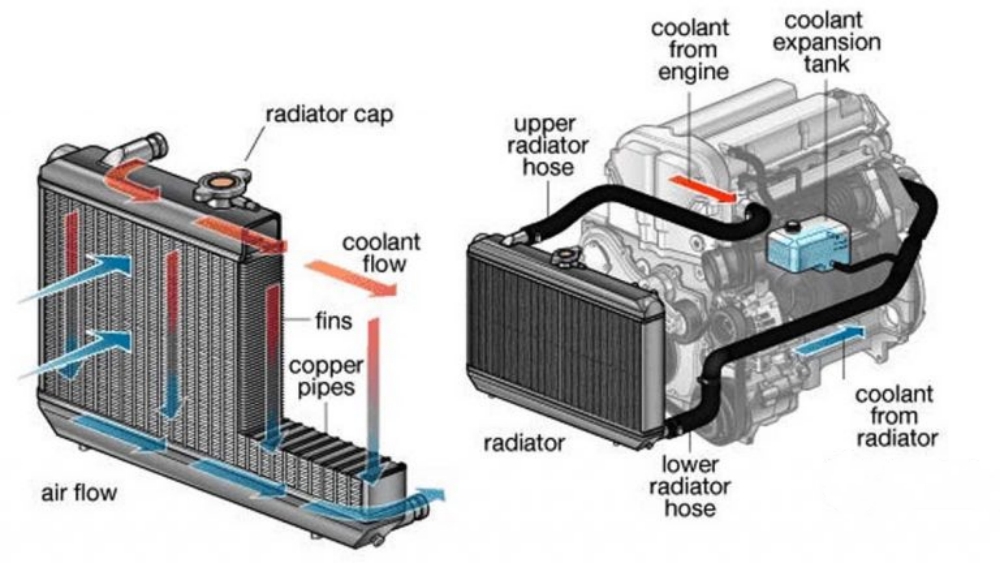
2. Heat Transfer: Inside the radiator, the coolant passes through a series of thin tubes. These tubes are surrounded by metal fins designed to dissipate the heat into the air.
3. Cooling Process: As the vehicle moves, air flows through the radiator, helping cool the coolant. When the car is idle or moving at slow speeds, the radiator fan activates to pull air through the radiator for better cooling.
Main Components of a Car Radiator
Understanding the basic parts of a radiator can help you maintain your vehicle’s cooling system effectively. Key components include:
1. Radiator Core: The core is the central part of the radiator that holds the coolant. It’s usually made from aluminum or copper due to these materials’ heat-conductive properties.
2. Cooling Fan: The fan draws air through the radiator to assist in the cooling process. The fan kicks in when the car is idling or driving at low speeds.
3. Radiator Cap: This cap regulates the pressure within the radiator to prevent it from overheating and maintain coolant circulation.
4. Hoses: The radiator is connected to the engine and the cooling system through rubber hoses that transport the coolant.
5. Coolant: The mixture of antifreeze and water circulates through the engine and the radiator, absorbing and expelling heat as it goes.
Why is a Car Radiator Important?
A car radiator is essential for several reasons:
· Prevents Engine Overheating: The primary function of the radiator is to prevent the engine from overheating by regulating its temperature. Without it, the engine could easily overheat and fail.
· Improves Engine Efficiency: By maintaining the optimal temperature, the radiator ensures that the engine performs at its best, which helps maximize fuel efficiency and overall vehicle performance.
· Extends Engine Life: Keeping the engine at the proper temperature helps prevent premature wear and tear, thereby extending the life of the engine.
Common Radiator Problems and Signs of a Failing Radiator
Over time, radiators can encounter problems due to wear and tear or neglect. Some common issues include:
1. Coolant Leaks: Leaks in the radiator or connecting hoses can lead to a loss of coolant, which causes the engine to overheat.
2. Clogging: Dirt, debris, or rust buildup can block the flow of coolant through the radiator, reducing its efficiency and causing the engine to overheat.
3. Faulty Radiator Fan: A malfunctioning radiator fan can lead to inadequate airflow through the radiator, especially at low speeds, causing the engine to overheat.
4. Damaged Radiator Cap: A broken or worn radiator cap can cause pressure loss, leading to coolant leaks or overheating.

How to Maintain Your Car Radiator
Proper maintenance of your car’s radiator is essential for keeping the engine cool and avoiding costly repairs. Here’s how to take care of it:
1. Check Coolant Levels Regularly: Make sure the coolant is at the proper level, as low coolant can lead to overheating. Always check the coolant levels when the engine is cold to avoid burns.
2. Inspect for Leaks: Check the radiator and hoses for any signs of leaks or cracks. Leaks can be a major cause of coolant loss and overheating.
3. Flush the Radiator: Over time, the coolant can become dirty and less effective at cooling the engine. Flushing the radiator and replacing the coolant every 30,000 miles will ensure the radiator operates efficiently.
4. Clean the Radiator: The exterior of the radiator can accumulate dirt, bugs, and debris, which can restrict airflow. Cleaning the radiator periodically will ensure that it continues to dissipate heat effectively.
5. Check for Damage: Look for any visible damage, such as cracks or bulges, in the radiator. If you notice any damage, it’s important to replace the radiator promptly.
Conclusion
The car radiator is an essential component in keeping your engine cool and running efficiently. It absorbs heat from the engine, dissipates it into the surrounding air, and ensures the engine stays at the optimal temperature. Regular maintenance, including checking coolant levels, flushing the radiator, and inspecting for leaks or damage, will help prevent overheating and costly repairs. By understanding how your radiator works and how to care for it, you’ll ensure that your engine stays healthy for years to come.
FAQs
1.How do I know if my car radiator is faulty?
Look out for signs like engine overheating, coolant puddles under the car, or a sweet smell inside the car, which could indicate coolant leakage.
2.How often should I change the coolant in my radiator?
Typically, coolant should be changed every 30,000 miles, or as recommended by your vehicle's manufacturer.
3.Can a car radiator be repaired or does it need to be replaced?
In some cases, minor leaks or clogs can be repaired, but if the radiator is severely damaged or corroded, replacement may be necessary.
4.What happens if my radiator fan stops working?
Without a working fan, the engine could overheat, especially when idling or driving at low speeds, leading to potential engine damage.
5.How can I prevent radiator issues?
Regularly check the coolant level, inspect the radiator for leaks or damage, and flush the system periodically to prevent buildup and clogs.
HD-Contact
Name*
Country*
Email*
Tel/ Whatsapp*
For Retail/ Business (Click to Choose)
- Retail
- Business
Message*
Verification code


